
Fall Activities and Your Body: How to Prevent Common Autumn Injuries
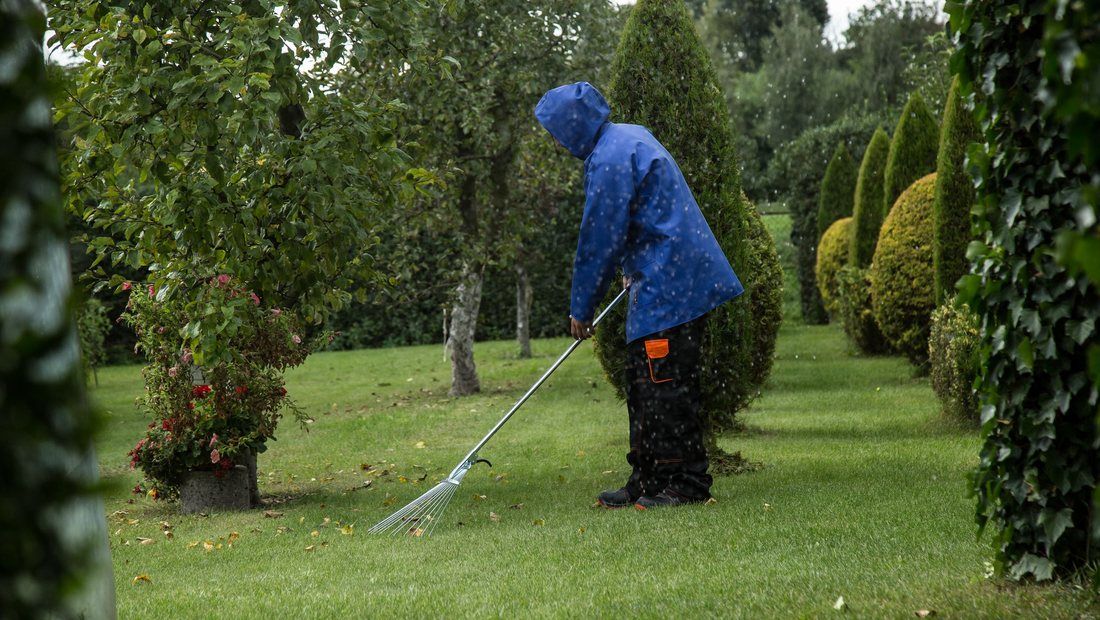
Every October our Oshawa clinic sees the same small group of injuries, and almost all of them come from the same cause: a job the body has not done since this time last year, done for several hours, on a cold afternoon, without a warm-up.
None of it is exotic. That is what makes it preventable.
Raking: the twisting is the problem, not the lifting
Raking looks gentle. What makes it demanding is that it is repetitive, one-sided and involves a small rotation of the spine hundreds of times in an afternoon. Low back strain after a day of leaves is one of the most common things we see all autumn.
- Switch which hand leads every ten minutes or so. It will feel awkward on the weaker side — that is the point
- Move your feet to turn, rather than twisting through your back with your feet planted
- Keep the rake close. The further out you reach, the more load goes through the lower back
- Break it into sessions. Two hours on Saturday and two on Sunday is far kinder than four at once
If you finish the day with low back pain that has not eased by the middle of the next week, that is worth an assessment rather than another weekend of the same.
Lifting bags, bins and firewood
A full paper bag of wet leaves is heavier and much more awkward than people expect, and it is usually lifted from an awkward position at the end of a tiring afternoon. That combination — fatigued, cold, bent and twisted — is where most lifting injuries actually happen.
Face what you are lifting squarely. Bend at the hips and knees rather than rounding the back. Keep the load against your body. And make two trips: the injury almost never happens on the first lift of the day, it happens on the one where you decided not to make a second trip.
Hiking and walking on uneven ground
Autumn trails hide their surface. Leaf cover, roots and loose stone mean your ankle is constantly making small corrections it cannot see coming, and tired ankles make them slower. Ankle sprains rise sharply once the leaves are down.
Footwear with a proper grip matters more than it does in summer. So does pace on the descent — most trail ankle injuries happen going downhill, late in the walk.
Fall sport: the sudden return
Hockey and indoor leagues restart with full-intensity sessions after months of relative rest. The hip flexors, groin and knees take the brunt of that, and the first three weeks of a season are when most of the year's injuries occur.
Build up before the first session rather than using the first session as the build-up. If you had an injury last season that never quite resolved, deal with it now — it is the single best predictor of injuring the same area again.
Slips on wet leaves and early frost
Wet leaves on a path are genuinely slippery, and the first frost of the year always catches people out because they are not yet expecting it. Falls produce the autumn injuries we least like to see, because they tend to be shoulder and wrist injuries from catching yourself.
Clear leaves from the paths you actually use before they turn to mulch, and take the first genuinely cold morning of the year slowly.
A warm-up that takes two minutes
You do not need a routine. Before yard work: walk briskly for two minutes, then ten slow squats, ten arm circles each way, and five gentle rotations each way through the trunk. The point is to get warm and to remind the body what it is about to do.
When to get it looked at
Most autumn aches settle within a few days. Book an assessment if the pain is still there after a week, if it is getting worse rather than better, if it is stopping you doing normal daily things, or if there is numbness, tingling or real weakness.
Early is cheaper, in every sense. A strain seen in week one is usually a short course of treatment; the same strain at three months has had time to change how you move.
Picked up a strain?
Get it assessed early — seen within 24 hours, direct billing available.
Have a question about your recovery?
Our team is happy to help — book online or give us a call.