
How to Shovel Snow Without Hurting Your Back
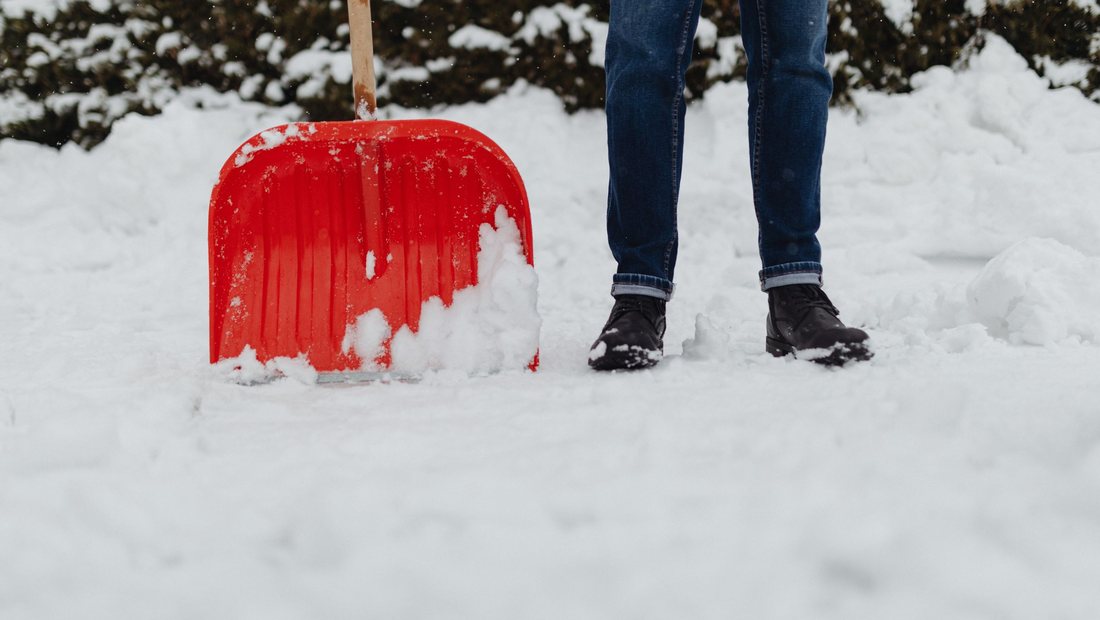
The first heavy snowfall of the winter is reliably followed by a busy week of back and shoulder strains. Shovelling is hard physical work — repeated bending, lifting and twisting, often in the cold, often first thing in the morning, and usually done in one go to get it over with.
A few changes to how you shovel go a long way.
First, look after your heart
Shovelling heavy snow is strenuous exercise. If you have a heart condition or high blood pressure, or you are not usually active, check with your doctor before taking on a big shovelling job — and consider getting help. Stop straight away and seek medical help if you feel chest pain or pressure, unusual shortness of breath, dizziness, or pain spreading to your arm, neck or jaw.
Warm up for five minutes
Cold muscles are stiffer and strain more easily. Before you start, walk briskly for a few minutes, roll your shoulders, swing your arms gently and do a few slow hip hinges, bending forward from the hips with a straight back.
Use the right shovel
A lighter shovel with a smaller blade means smaller, lighter loads, which is exactly what you want. Shovels with a bent or curved handle can reduce how far you need to bend. Spraying the blade with cooking spray helps wet snow slide off instead of sticking.
Push, don't lift
Wherever you can, push the snow to the side rather than lifting it. When you do need to lift:
- Face the snow you are lifting, with your feet about hip-width apart
- Bend at your hips and knees, not your lower back
- Keep the load small and close to your body
- Turn by moving your feet, not by twisting through your back
- Never throw snow over your shoulder or to the side — walk it to where it is going
That twist-and-throw movement is behind a large share of shovelling injuries to the lower back and shoulders.
Little and often
Fresh, light snow is far easier to move than snow that has been packed down or turned wet and heavy. During a long snowfall, clearing a few centimetres at a time is much kinder to your back than one big session at the end. Take a short break every 10 to 15 minutes, and drink some water — you sweat more in a winter coat than you think.
Watch your footing
Wear boots with a good grip, and put down salt or sand once you have cleared a path. Falls on icy driveways cause their own share of winter injuries.
Sore, or something more?
Some stiffness the next day is normal and usually eases within a few days of gentle movement. Book an assessment if the pain lasts more than a few days, is getting worse, or travels down your leg, or if you notice numbness, tingling or weakness — these can be signs of an irritated nerve, as with sciatica. If you ever have numbness around the groin or new trouble controlling your bladder or bowels, go to the emergency department straight away.
Our Oshawa team offers physiotherapy, chiropractic care and massage therapy, and we can tell you plainly which is most likely to help.
Strained your back shovelling?
Get it looked at early — seen within 24 hours, direct billing available.
Have a question about your recovery?
Our team is happy to help — book online or give us a call.