
Getting Ready for Ski and Snowboard Season
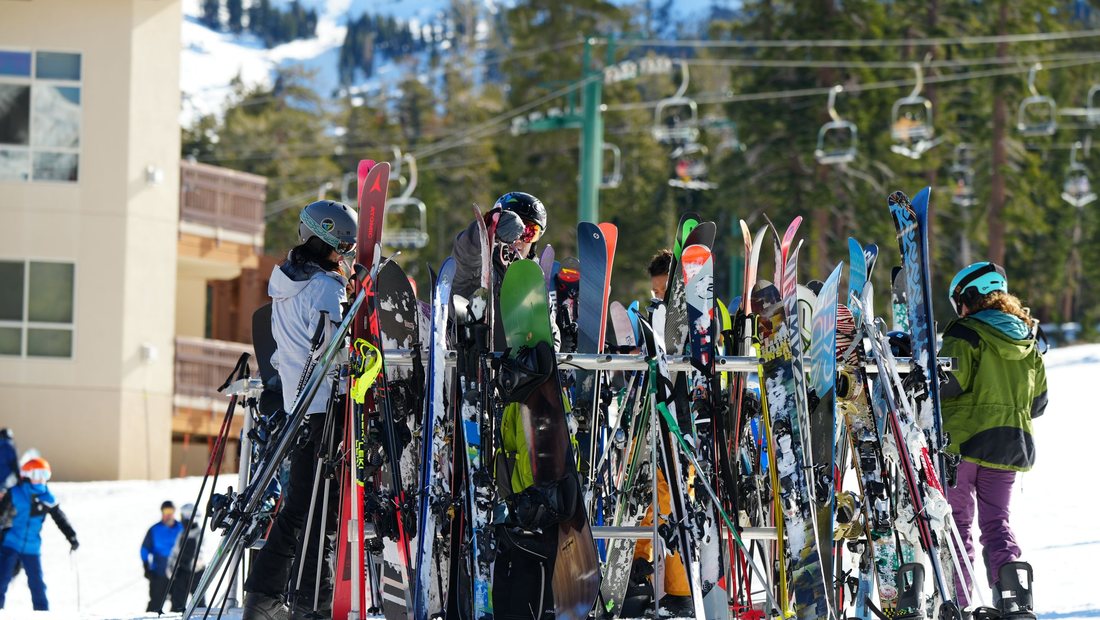
Ontario's ski hills usually open in December, and the first few weekends of the season are when many winter-sport injuries happen. Not because the hills are more dangerous then, but because legs that have not skied or boarded since March are suddenly asked to do it for hours, often on the very first day.
A few weeks of preparation now makes a real difference to how the season goes.
The injuries we see most
The pattern is fairly consistent. Skiers more often hurt their knees, especially the ligaments that keep the knee stable when a ski twists one way and the body goes another. Snowboarders more often hurt their wrists and shoulders, usually by putting a hand out to break a fall. Both groups get sore lower backs and tired, strained thighs, particularly late in the day.
Start four to six weeks before your first trip
Skiing and snowboarding ask a lot of your legs and trunk. Two or three short sessions a week from now until your first trip will help:
- Squats and lunges for the thigh strength that holds a ski or board position
- Step-ups and single-leg exercises, because on the hill one leg often takes most of the load
- Hamstring and glute work, such as bridges, which help protect the knee
- Planks and side planks for a strong, stable trunk
- Single-leg balance — stand on one leg while you brush your teeth, then try it with your eyes closed
Build up gradually. The goal is to arrive at the hill with legs that are ready, not sore from a hard workout the day before.
Snowboarders: protect your wrists
The instinct to throw a hand out when you fall is exactly what injures wrists. Wrist guards are worth wearing, especially if you are new or getting back into it, and it helps to practise falling onto your forearms or the side of your body rather than an outstretched hand.
Check your gear
Boots that fit properly and bindings adjusted to your height, weight and ability make a real difference to knee injuries in particular. If your gear has been in the basement since last season, have a ski shop check the bindings. And wear a helmet.
On the day
- Warm up for five minutes before your first run — walking, leg swings, gentle squats
- Make the first few runs easy ones
- Take breaks, eat and drink water
- Be honest about the “one last run”. Tired legs are behind a lot of end-of-day injuries
Coming back from an injury?
If you hurt a knee, shoulder or ankle last season and it never quite settled, now is the time to deal with it — not on the hill. A previous injury that has not fully recovered is one of the most common reasons people get hurt again. Our sports physiotherapy team can assess it, build a plan to get you ready, and tell you honestly when you are good to go.
Coming back from an injury?
Get assessed before the season starts — seen within 24 hours, direct billing available.
Have a question about your recovery?
Our team is happy to help — book online or give us a call.